The group has just unveiled “Pernod Ricard On Tap,” a draft cocktail system designed for bars, restaurants, stadiums, and festivals. Behind the operational efficiency lies a vision of contemporary mixology that Pernod Ricard is deploying on a large scale.
Let’s set the scene. It’s 10 PM on a Saturday night, the terrace is full, and someone has just ordered ten Mojitos for their table. Behind the bar, the server (a three-week intern) starts counting mint leaves, muttering a prayer. The result: inconsistent cocktails, an ever-increasing wait time, and a manager watching their margins melt away.
This is precisely the problem Pernod Ricard France has decided to tackle head-on with Pernod Ricard On Tap, a draft cocktail system. The message is clear: this isn’t a gadget for trendy bars, it’s an industrial solution designed for the entire hospitality spectrum.
The cocktail, a star product… and a logistical puzzle
The cocktail market has become considerably more democratic. Today, 35% of consumers order them in establishments, making it much more than a niche trend reserved for speakeasies in the Marais. The problem is that this growing popularity clashes with a difficult on-the-ground reality: qualified staff are increasingly rare, service is time-consuming, and quality fluctuates from one glass to another during busy periods.
Pernod Ricard’s stated goal is to make cocktails quick, consistent, and accessible, even for the most novice bartenders, without sacrificing taste quality.
What “Pernod Ricard On Tap” offers specifically
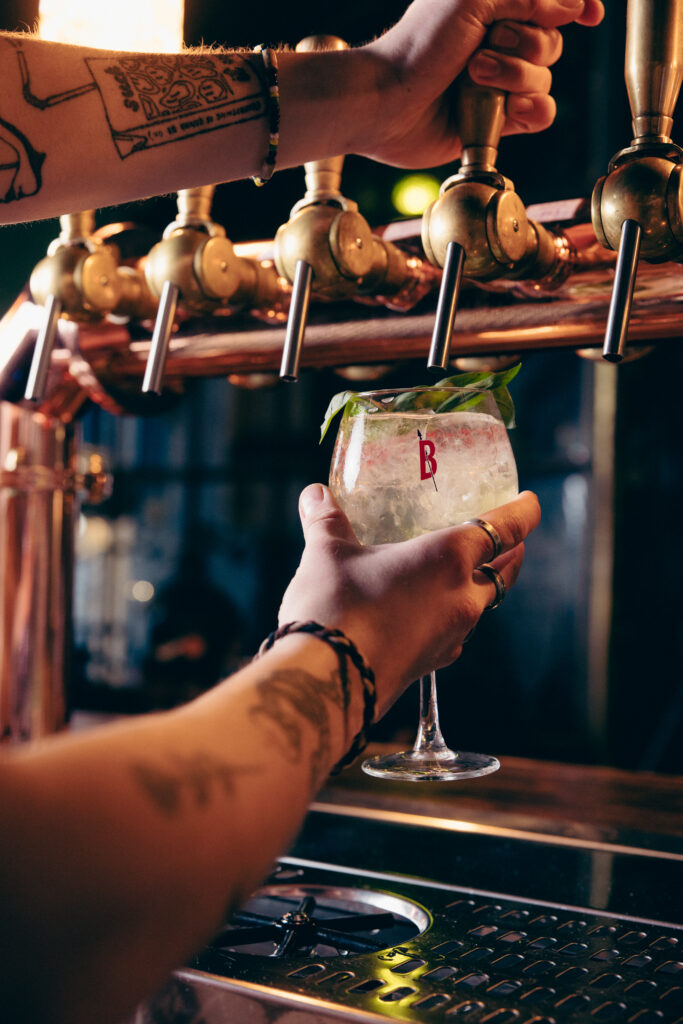
The idea is not to sideline the bartender. It’s to free them from repetitive tasks that saturate service. Thanks to the On Tap system, a perfectly balanced cocktail can be served in less than 10 seconds, with guaranteed aromatic consistency from the first to the last glass of the evening.
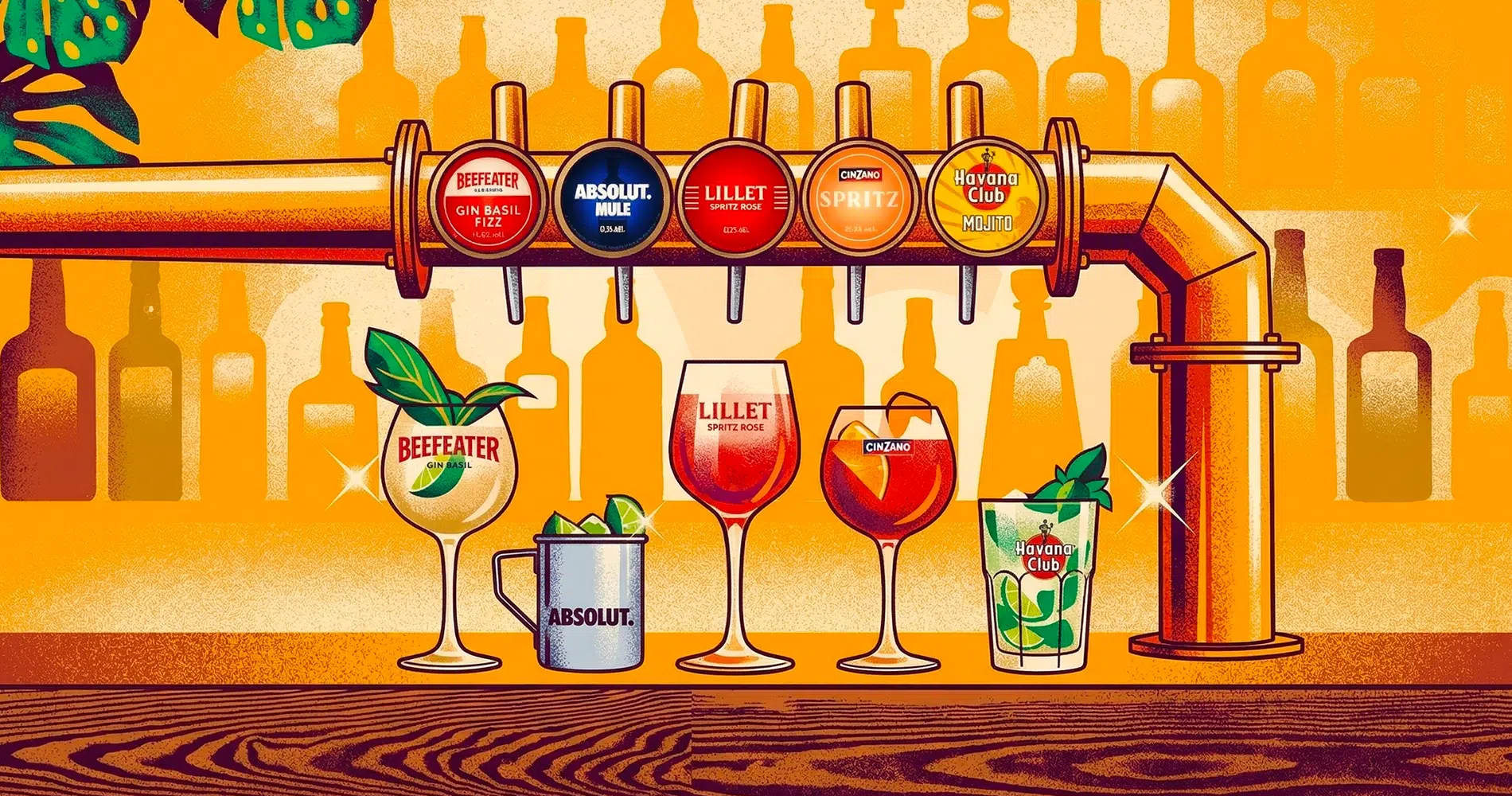
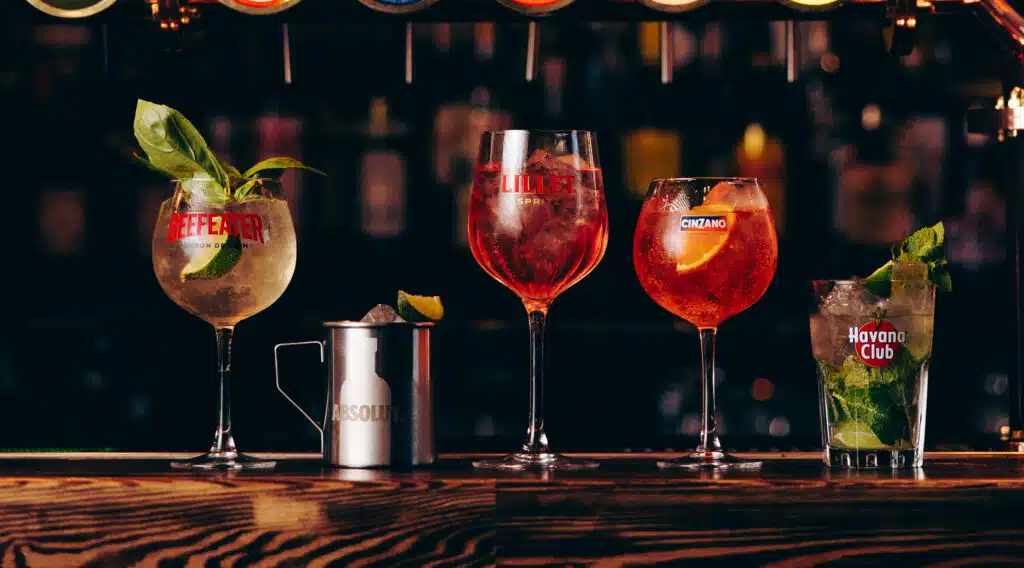
The recipes were developed by Marc Bonneton, a recognized entrepreneur and bartender, who lent his technical expertise to meet the constraint of tap dispensing. The result is five references built around brands from the Pernod Ricard portfolio:
- Lillet Spritz Rosé
- Absolut Moscow Mule
- Havana Club Mojito
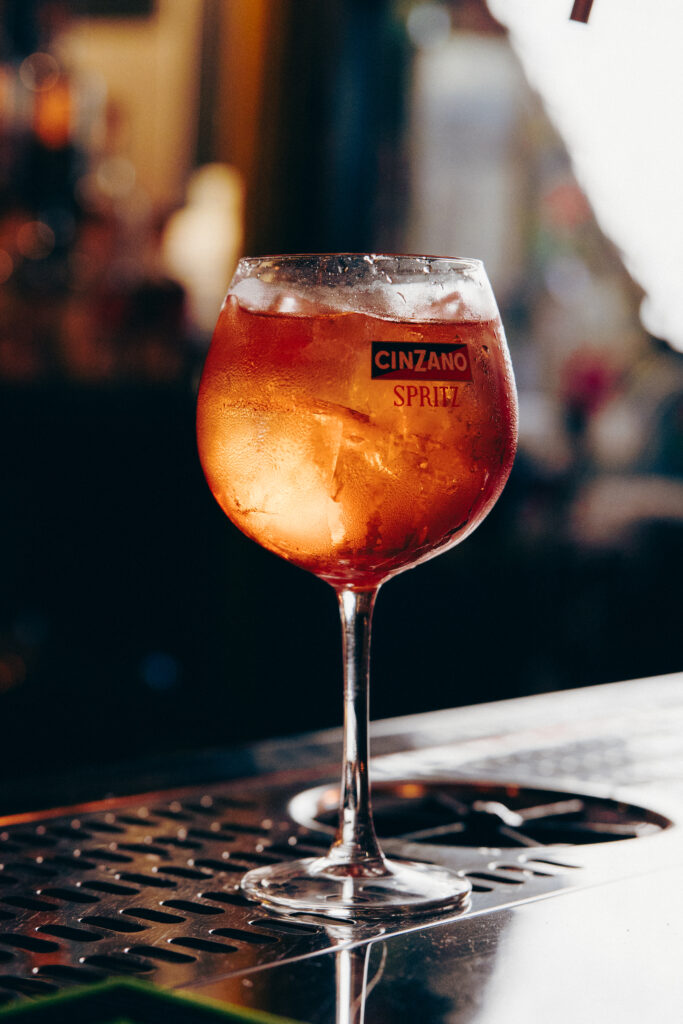
- Cinzano Spritz
- Beefeater Basil Fizz
No random experimentation: these are classics refined to be faithful to themselves, served at the speed of a draft beer.
The argument that hits home: staff shortages
For operators, the interest is primarily logistical. Training an employee to pour a cocktail under pressure is infinitely simpler than teaching them to measure accurately with a jigger. Cost control is absolute: no over-pouring, no waste, each drink costs exactly what it’s supposed to.
In a sector where margin management is a constant obsession, this is far from a minor detail.
From pubs to festivals: a widespread deployment
The other dimension of Pernod Ricard On Tap is its versatility. The system has already been adopted by a range of establishments that speak volumes about its ambition: from urban bars (La Dame de Canton in Paris, Le Monkey Club in Lyon, Chez Jeannette in Rennes) to large performance venues (Paris La Défense Arena, LDLC Arena in Lyon), including ski resort clubs (La Folie Douce in Avoriaz) and coastal spots (Jack the Cockerel in Biarritz and Hossegor).
On the sports and festivals side, the list is already significant: Stade Toulousain, Lou Rugby, Olympique Lyonnais, and events like Hellfest, Delta Festival, Garorock, or Beauregard. In venues with 40,000 people, cocktails were until now out of the question: too slow, too complex to operate at that scale. Pressurisation changes the game and allows for a premium offering that competes with the historic monopoly of beer.
An eco-responsible approach thought out in detail
The sustainability aspect is not cosmetic. On Tap cocktails are packaged in returnable, refillable stainless steel kegs. This model, adopted in 2024, significantly reduces carbon emissions, water consumption, and the use of fossil fuels compared to single-use packaging.
This initiative is part of the group’s CSR policy “Agir circulaire” (Circular Action). Pernod Ricard gains a concrete advantage in this area: the group has the largest fleet of stainless steel cocktail kegs in France, enabling it to guarantee availability and continuity of service, even for very large-scale events.
The figures that set the tempo
The data presented at the launch paint an unambiguous picture:
- 55% of 18-34 year olds regularly consume cocktails, indicating a massive and young target audience.
- The On Tap segment shows 88% growth, while the overall spirits market remains largely stable.
- 1 in 4 customers does not notice that their cocktail comes from a tap, a figure that, more than any other, validates the qualitative promise of the concept.
From Cockorico to European deployment
The project is not starting from scratch. Initially launched under the Cockorico brand by three bar experts (Marc Bonneton, Julien Maurel, and Geoffrey Clavel), it took on an industrial dimension after Pernod Ricard France acquired a majority stake in 2022. With the group’s logistical infrastructure behind it, the ambition is now to deploy these taps on a European scale.
The shaker obviously retains its allure; no one is going to film a draft tap for their Instagram account (though…). But for operators who have to serve hundreds of covers per evening without exploding their payroll, Pernod Ricard On Tap may mark the beginning of a profound transition in how cocktails are consumed outside of traditional cocktail bars.
Less waiting, more consistency, and the same taste whether you are on a terrace in Lyon or in the stands at Lou Rugby. That’s the promise. The on-site deployment is already well underway.