
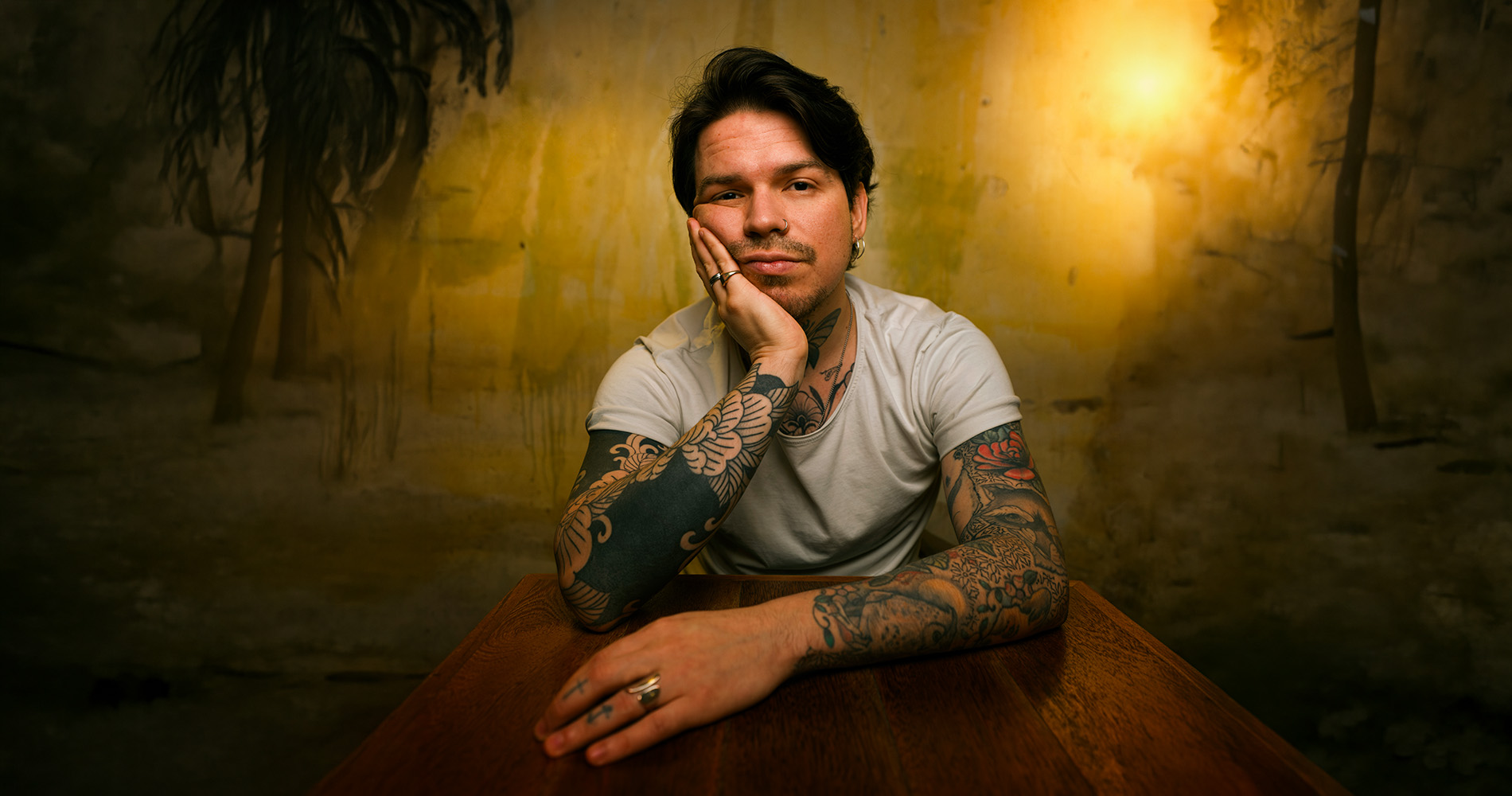
At Florería Atlántico, a cocktail begins with a historical question. For their latest menu, the team traced back to the first settlements of America via the Bering Strait. Andrés Quiñonez, creative director of the Buenos Aires bar, explains the method: five creative stages, an internal guide, no planned R&D sessions, and one accepted rule – a cocktail is not removed from the menu just because someone dislikes it.
What made you leave the Bordeaux region to cross the Atlantic and join a bar like Florería Atlántico in Argentina?
What brought me here was, above all, passion and the desire to discover. The wish to continue learning, to explore other sensibilities, to get closer to a different culture, its gastronomy, and everything that makes it unique.
I’ve always thought that the best way to get to know a place was to live there. To have a routine, walk its streets, find your favorite spots, and let the city gradually reveal its personality. I believe the true connection with a city is born when you live it and eventually fall in love with it. Today, I have a very special relationship with Buenos Aires, which continues to move me every day.
Florería Atlántico is also a magnificent project that I am privileged to be a part of. It’s a place with a very strong identity in Porteño gastronomy, and the opportunity to work alongside Tato Giovannoni, one of the people I respect and admire most in this profession, made this decision quite natural. Since my arrival, I have learned a tremendous amount, from him as well as the entire team, and every day confirms that I chose the right path.
A part of me will, however, always belong to Bordeaux and Paris. These cities are part of my history and will, in a way, remain home. But Buenos Aires now holds that same place. It’s no longer simply a city I visit: it’s a city I feel and love.
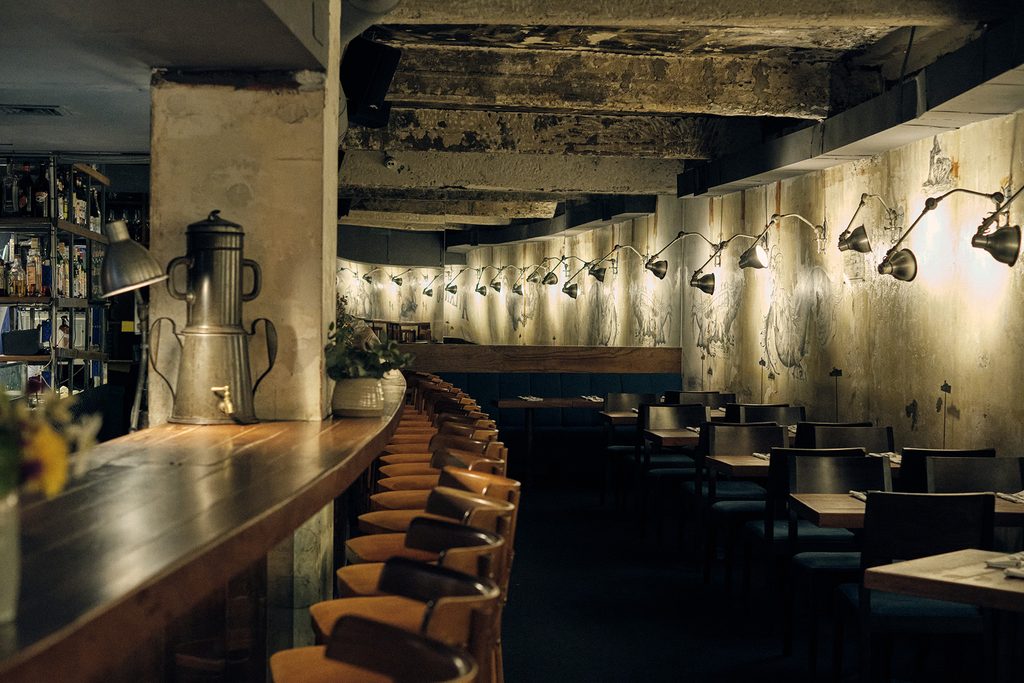
Florería Atlántico celebrates its 13th anniversary and is still among the best bars in the world. How would you define the Florería style in one sentence today, and what distinguishes a Florería signature cocktail from one made elsewhere?
Florería Atlántico is a journey. A journey built around stories, flavors, memories, and a lot of love. It’s a way to explore Argentina through its ingredients, traditions, and the people who shaped it, but also to discover the life journey of its founders, whose experiences and passions are deeply rooted in the identity of the place.
Behind each offering lies a narrative linked to the country’s roots, to the different communities that arrived in this territory, and to the customs that have shaped its culture over time. The vision of Tato Giovannoni and Aline Vargas has made Florería a space where gastronomy and mixology become a way to transmit these stories and keep them alive.
Our work consists of exploring local products, understanding their origin and uses in different regions, while also getting closer to the knowledge that makes up the Argentine identity: from popular traditions to the relationship that many indigenous peoples have with the land. All this learning is then reflected in what we offer every day.
I believe this is what distinguishes a cocktail from Florería Atlántico. It doesn’t just seek balance or technical precision; it aims to convey an emotion. Each recipe attempts to tell a story about a place, a custom, or a memory, so that the person tasting it can connect, even for a moment, to what inspired it.
The concept of the “immigrant” has structured the establishment since its origin. How does this framework guide your creative decisions in 2026?
Since its beginnings, Florería Atlántico has sought to tell stories. Those of people who crossed oceans, of communities that arrived with their customs, their recipes, and their way of understanding the world, gradually contributing to building Argentina’s cultural identity.
It’s a country marked by the meeting of multiple origins, where traditions from all corners of the world have found their place and mingled with expressions unique to this land. This diversity is a constant source of inspiration for us.
Each creative decision is therefore born of curiosity and the desire to better understand these stories. We research, study, and take an interest in the contexts that gave rise to certain ingredients, preparations, or rituals. It is from there that we choose a technique, a recipe, a piece of glassware, or the way to present a drink.
We seek to convey respect, memory, and attachment to this cultural heritage. We never incorporate an element gratuitously; it must belong to a broader narrative that deserves to be shared. Argentina’s richness in this regard is inexhaustible. There is always a new story or product to discover. For those who love to tell stories through gastronomy and mixology, this is deeply inspiring.
What exactly is your role as creative director, and how are decisions split between you, Tato Giovannoni, and the bar team on a daily basis?
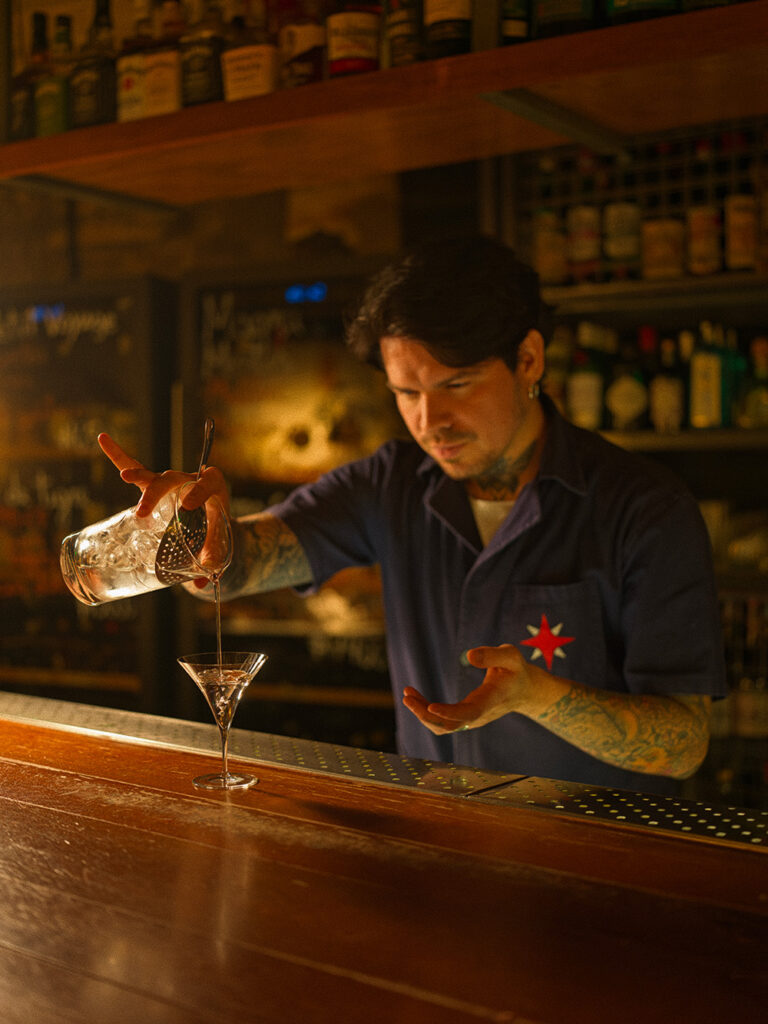
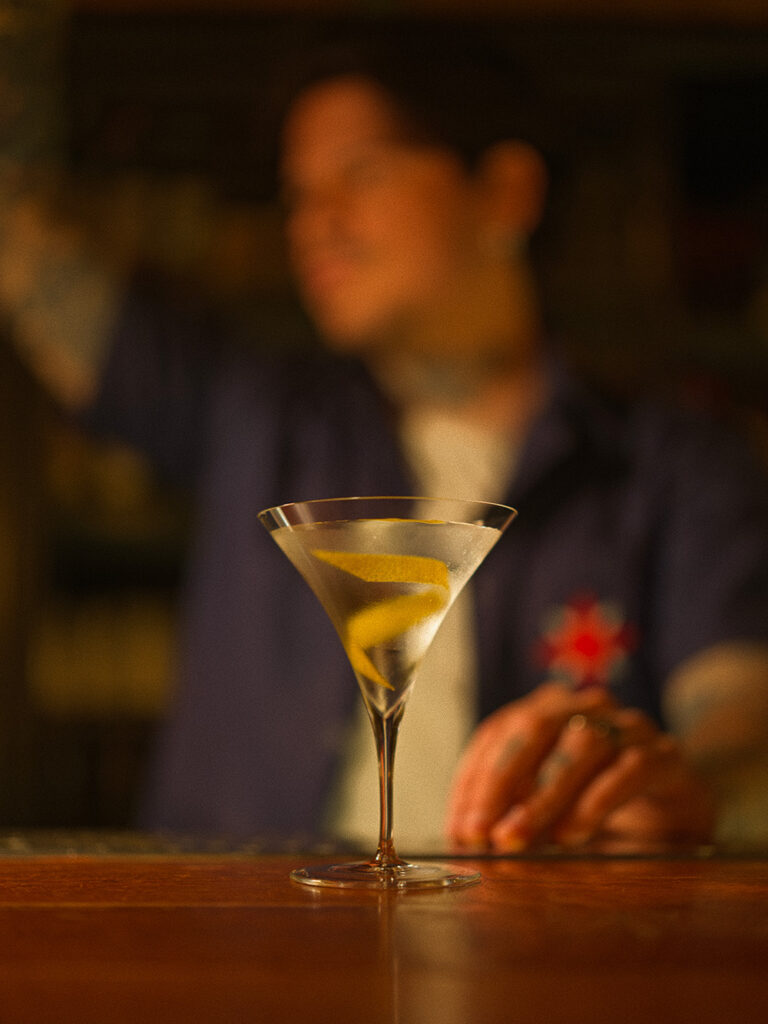
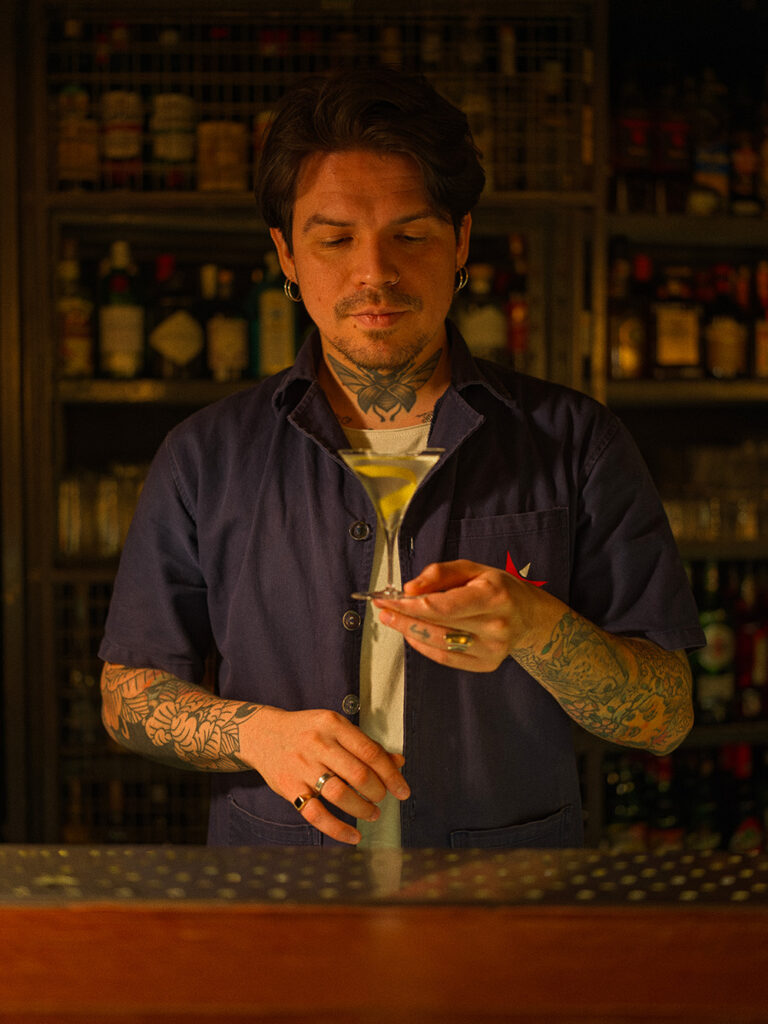
I am the creative director and bartender. On a daily basis, I participate in research, the development of new ideas, team training, and the creation of proposals for the bar. What I particularly appreciate is that new challenges constantly emerge: ingredients to discover, techniques to explore, and different avenues for continued learning. It’s a perpetually evolving environment, which makes it very stimulating.
What I also value immensely is that nothing is done individually. The entire team actively participates in the process, from researching information and raw materials to testing and the final result in the glass. The exchange of ideas is essential to our way of working.
Tato is a very important reference for all of us. He has a sensitive and creative vision, as well as a great ability to make us think differently. Even though I hold the position of creative director, the decisions and identity of the bar are built collectively, thanks to his contribution and that of every person involved.
I also really enjoy the service aspect. Being behind the bar, sharing our work with customers, and observing their reactions is an integral part of the process. For me, creativity doesn’t stop when an idea is born and developed. It also exists in listening, conversation, transmitting a story, and preparing a good cocktail for the person sitting on the other side of the bar.
Where do the ideas for a new menu come from? Can you tell us about the genesis of a recent cocktail, from start to finish?
For us, a cocktail menu always begins with something we want to understand and share. In recent years, we have explored migrations, indigenous peoples, and the various communities that have shaped the American continent. For our most recent proposal, we decided to go back even further, to the first human migrations that arrived in America from Siberia, via the Bering Strait.
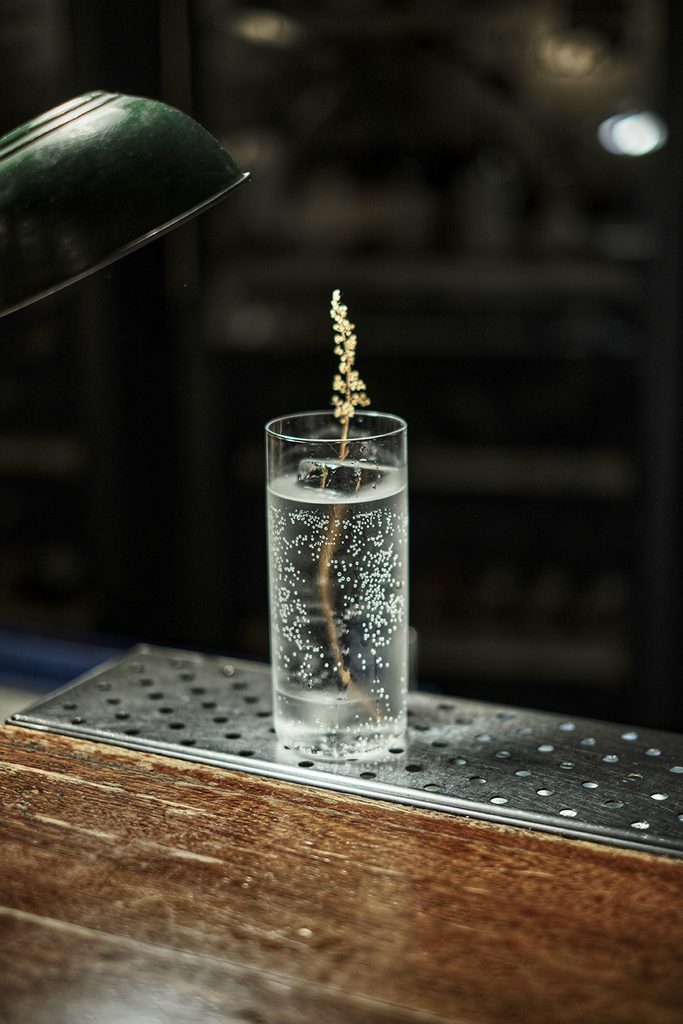
From this research, one of the cocktails I am most attached to was born: Yvy Maraey, a Guaraní expression generally translated as “the land without evil.” The recipe is inspired by this spiritual quest, that of a place where it would be possible to achieve a full and peaceful existence.
Even before thinking about flavors, we start with research. We consult books, anthropological studies, documents, as well as sources from cultural and educational institutions. We try to understand the context, customs, diet, and especially the natural environment. Only then do we imagine the ingredients capable of bringing us closer to that world.
With Yvy Maraey, we wanted to evoke a very specific sensation: entering a humid forest in northeastern Argentina. To achieve this, we created a distillate of organic moist soil and dried eucalyptus, first infused in a neutral spirit and then distilled. To this base, we add a cashew liqueur and a fresh sage soda.
Next come technique, balance, and aesthetics. These are the tools that allow us to transform all this research into something that can ultimately be drunk. For me, the essential thing is that nothing is there solely to adorn an idea: each element must naturally find its place and its raison d’être in the recipe.
The result is a fresh and intense cocktail, with aromas of damp earth, menthol notes, and a deeply vegetal character. It reminds me of a walk in the forest after the rain, when the ground is still wet and the air seems to have a different scent.
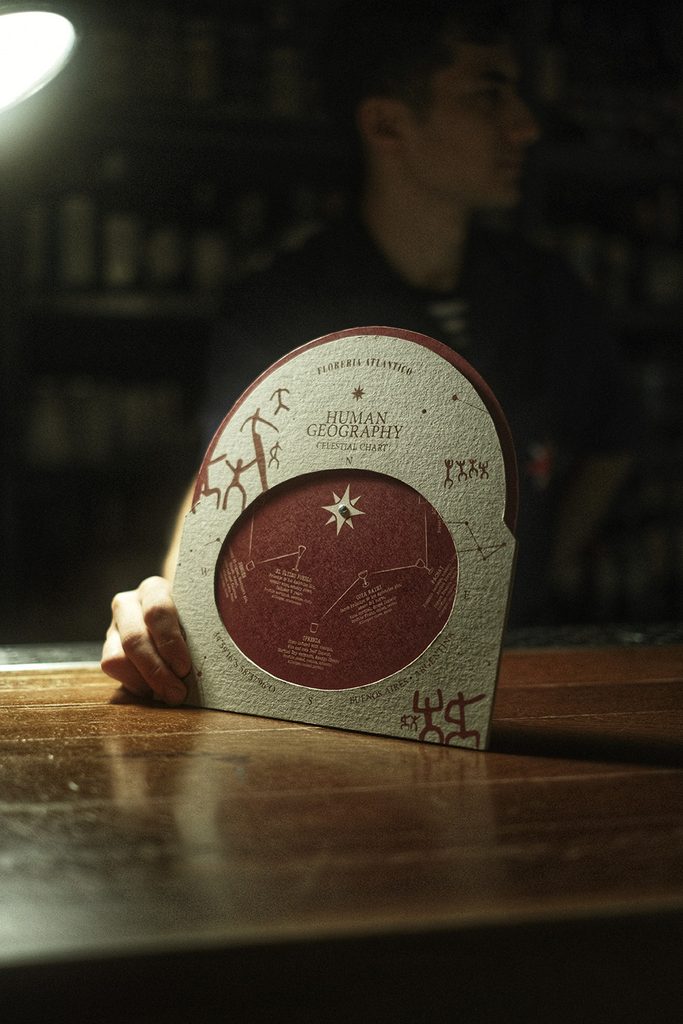
This is a very special recipe for us, and one of those we presented in different parts of the world during the Geografía Humana tour.
Is there a formalized internal “creative brief” before starting work on a new menu?
We have a development guide that serves as a creative compass for each new menu. More than a technical document, it is a tool built over time to give shape to ideas, structure processes, and ensure that each proposal maintains historical and aesthetic consistency with the narrative from which it originates.
This framework guides the bartenders, as well as the rest of the team, in work that blends research and practical application. The objective always remains the same: to communicate something meaningful. Every choice, from conceptualization to execution, must be consistent with the identity and narrative that define the bar.
One of the main qualities of this method is its adaptability. It evolves according to the eras, traditions, or concepts explored in each project. Argentine history is an immense territory, rich in nuances and cultural intersections. This opens up a very vast creative field while inviting us to deepen our understanding of its evolution.
Regarding technique and gastronomic proposals, we have great freedom to push each idea to its maximum. We don’t set limits on exploration: on the contrary, everyone is encouraged to go as far as possible in their research. This is undoubtedly what makes the result so gratifying: a team that doesn’t just create concepts, but appropriates them, feels them, lives them with passion, and defends them with conviction.
You collaborated with historian Felipe Pigna to create the Geografía Humana menu. How did this collaboration unfold, and would you advise other bars to seek partners outside the cocktail world to structure their concept?
Felipe Pigna is undoubtedly one of the most influential voices in popularizing Argentine history. A writer, teacher, and communicator, he has accompanied our creative process for over seven years and helps us better understand the events, nuances, and roots that have shaped the country’s cultural identity. His contribution goes far beyond information: he has taught us a way to approach history with depth, rigor, and sensitivity.
Thanks to this constant exchange, the team has built a vast and coherent narrative, where each story is based on real facts while leaving room for emotion, tradition, and that romantic dimension that makes stories memorable.
Since its beginnings, Florería Atlántico has considered that the best ideas rarely emerge from a single profession. We have therefore worked with artisans, artists, farmers, researchers, thinkers, and people from many disciplines who, through their perspective, have enriched our way of creating. Each encounter opens new possibilities to transform knowledge into gastronomic proposals that carry identity.
For us, a cocktail never begins in the glass. It is born much earlier: in a territory, a custom, a shared history, in the passion of those who preserve a craft or keep a tradition alive. This is where we find our inspiration, because daily culture offers a much broader scope than that of bars and restaurants.
The answer is therefore clearly yes. Seeking collaborators outside the world of mixology not only strengthens the coherence of a concept but also creates a bridge between culture and creativity. This diversity of perspectives enriches the process, broadens horizons, and allows for the development of deeper, more authentic, and meaningful proposals.
From the first sketch of an idea to the cocktail served in the room, how many steps are there?
Our cocktail creation protocol is based on five essential steps.
The first is research: time dedicated to studying and understanding traditions and their roots.
The second involves selecting ingredients consistent with the narrative.
The third corresponds to their implementation: transformation, assembly, and the search for balance.
The fourth concerns the service structure. We establish a precise protocol for each cocktail to ensure standardization, aesthetics, and reproducibility.
Finally, the fifth step is the service ritual, technical and precise, from the bar to the table. Everything is designed to convey the cocktail’s narrative, origin, and inspiration. Most of the time, the story is told through gestures and flavors, accompanied by brief explanations that naturally guide the tasting.
How many versions or iterations does a cocktail usually go through before being validated, and how do you document these steps?
Each recipe goes through several trials before being published and served at the bar.
We always start with our internal research protocol, followed by initial tests on products and ingredients. This allows us to define a profile and an initial aromatic direction.
We then conduct the first liquid trials, adjust the balance, and then organize a general tasting with the entire bar team, Tato and myself. At this stage, we correct certain notes or make slight structural changes if necessary.
We support the entire process from start to finish without directly interfering with the team’s creative proposals, as we believe this freedom allows ideas to develop fully, with a simple conviction: anything is possible.
We work with shared documents and dedicated groups where all information is centralized. For us, every idea deserves consideration, no matter how simple it may seem. We believe in the potential of reflection and that some of the best recipes can emerge from a very simple intuition, then developed and adapted to our identity.
The final step is the official presentation to the entire bar team. We then explain the concept and its history before the final tasting. This presentation is accompanied by a document including inspiration, the recipe, sub-recipes, ingredient origin, tasting notes, potential allergens, and the service ritual. All of this is part of each team member’s training.
How does your R&D work? What does a typical R&D day look like?
Since the bar’s inception, our research and development work has been based on tradition, with the core principles of respecting ingredients, their origin, and the ecosystems to which they belong.
Our techniques start from understanding them. We analyze how each element works and seek to use it in the noblest and most natural way possible. This does not prevent us from exploring contemporary methods: rather, we aim to put them at the service of traditions and adapt them with respect.
We work notably with traditional distillation, vacuum infusions and cooking, fermentations, carbonation, clarifications, and natural extractions.
We have a production space dedicated to the general operation of the bar as well as R&D. It is equipped with traditional electric distillers, vacuum machines, immersion circulators, and electric cooking plates. But for us, the most important tool remains imagination.
We do not have R&D sessions organized according to a strict schedule. Ideas can emerge in many situations, which is why we keep development spaces open at different times of the day. Each member of the bar team can suggest a direction for the creation, transformation, or study of an ingredient or technique. We leave the door open to curiosity and support these ideas until they become reality.
Florería is known for using ancestral techniques inspired by indigenous Argentine cultures: fermentation, smoking, infusion. How is a new bartender trained in these techniques, and is there an “internal school” to transmit them?
In continuity with our work on traditions and history, Florería studies these ancestral techniques and gives them a central place in our R&D approach. This approach always remains consistent with the research carried out on raw materials, their different uses, and their cultural role.
This knowledge is then passed on to the entire team. We have an internal training and production program for every member of the bar. The goal is to better understand raw ingredients, but above all, to enable everyone to directly convey an experience built around these techniques.
We believe that to tell a story, one must first be involved in it.
What are your explicit validation criteria for a cocktail to be added to the menu?
The criteria are very precise. Historical narrative is the first element. Next come balance, service reproducibility, and the use of meaningful raw ingredients. We also highlight the producers, their philosophy, and their expertise. Costs come last in our analysis and are then adapted to the bar’s economic structure.
Specifically, how does the final validation take place? Blind tasting, expanded panel, vote, a single person’s veto? And who has the final say?
The final evaluation and decision are made collectively. It is important for us that the people present during service understand the choices made, and for that, they must be involved in the process.
There is always a direction and leadership that helps refocus ideas, but the collective plays a decisive role in decisions.
And when a cocktail is validated and appears on the menu, but customers don’t like it, do you remove it, adjust it, wait? How do you manage this failure?
We always consider customer feedback, even though offering this type of recipes and cuisine is an integral part of the venue’s identity. Each drink or dish has a precise balance and a defined identity, but we always take the time to explain why we work with certain flavor profiles or techniques and, above all, to show that every product has a historical justification.
The Argentine territory also benefits from immense gastronomic and productive richness. This allows us to work with a very wide diversity of tastes, aromas, and profiles, so that everyone who enters the bar can find something that suits them.
We do not remove a recipe designed according to our parameters and protocols, because it represents what we believe in. Our mission remains to highlight what Argentina conveys to us through its traditions.
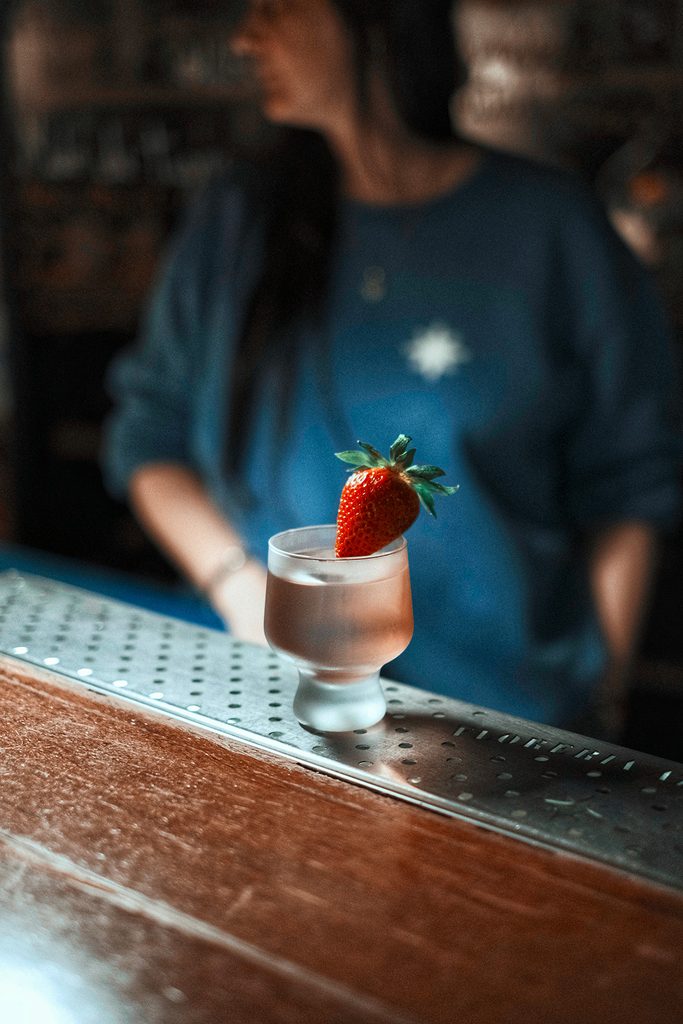
How do you train your team so that a cocktail is served identically at 7 PM on a Tuesday and 1 AM on a Saturday, both in terms of technique and storytelling?
When training staff on dishes or drinks, we always create a precise service sheet. It defines conversational elements, sales techniques, and storytelling methods. The goal is to be able to communicate the same message during a service for 300 people as during a quieter evening.
We aim to convey all this research work in a concrete, engaging, understandable way, and above all, true to who we are.
Monthly training sessions are organized on these topics, supplemented by daily pre-service meetings. These allow for short refresher sessions on different aspects of the service, to keep the team focused on work methods and ensure consistent storytelling throughout the year.
What place do you give to junior bartenders? Can they propose cocktails for the menu, and is there a learning process?
We have implemented a precise learning path for junior bartenders. They undergo six months of intensive initiation during which they are trained in all aspects of service (work methods, communication, protocols, and adapting to the bar’s operation) before they can manage a fixed station independently.
During this period, they also participate in cocktail service, always accompanied by a senior bartender. An essential part of their training takes place in production. It is crucial that they understand our raw materials and the gastronomic identity of the venue.
This training is very comprehensive and, in our opinion, one of our team’s strengths. Beginners learn what inspires us in Argentina and discover the different communities that make up its identity.
This also allows us to integrate them into the cocktail creation process and stimulate everyone’s creativity. The human dimension is essential for us: who better than the people who inherit these stories and bring them to life to pass them on?
How many people are on the service team each evening, and for how many customers on average? How are daily handovers and requests managed?
Each evening, our service team consists of approximately 15 people, including bartenders, barbacks, cooks, and servers, to accommodate an average of 300 customers. We are fortunate to have a fairly regular clientele, and the team is therefore structured to ensure a consistent level of service that reflects our identity.
We have also implemented a very precise communication system, with both virtual and physical spaces that allow us to maintain a permanent exchange. The objective is to preserve all of the bar’s standards and protocols.
It’s a very effective way to quickly provide solutions and keep the entire team informed. There is constant information to convey regarding products, service, customers, or the evening’s proceedings. Each day is different, and having immediate communication channels is therefore essential.
Florería is in Argentina, with well-known import restrictions. How does this influence your approach to sourcing and creation, and what advice would you give to a bartender facing similar constraints?
We know that Argentina applies a fairly strict import policy. This has created certain limitations but has also pushed the entire local scene to focus its offerings more on domestically produced goods.
This particular situation has become a creative driving force for bartenders and gastronomy professionals. It has encouraged them to explore local products more deeply and to become aware of the region’s extraordinary diversity.
For us, this has never been a determining factor, as Florería draws its inspiration precisely from raw materials produced, cultivated, and developed throughout the entire Argentine territory.
I believe that Latin American bartenders should look more closely at what is produced in our region. We have an extremely rich local offering as well as an immense diversity of endemic natural products.
Our advice would therefore be to first look at what we have at home before looking elsewhere. We obviously like to observe what is happening in the world in terms of products, techniques, or equipment, but we always prioritize what is produced locally. And when a specific element does not exist, we think about how to develop it, find an alternative, or propose something else. This is also why creativity remains constantly in motion.
Florería Atlántico has become a brand that extends beyond the bar: Príncipe de los Apóstoles, a book, international addresses like Barcelona. How do you maintain creative consistency across these formats, and who guarantees it?
Florería Atlántico has always been a tribute to Argentine identity, particularly through the immigrant communities who arrived in the country by sea and contributed to shaping its culture and traditions.
This concept will remain the central axis of the bar as well as its various international locations. It is this narrative continuity that allows each venue to remain faithful to the spirit of Florería.
Príncipe de los Apóstoles and the Santos Espíritus distillery, where vodka, vermouth, and liqueurs are also produced, are part of Tato Giovannoni’s entrepreneurial projects. Their products hold a central place at the bar in Buenos Aires as well as in the other establishments.
The transmission of these messages and our narrative falls to the teams at each location. The objective remains to sincerely share what we create for Florería. This set of principles is accompanied by precise protocols, always linked to Argentine identity and the history of this magnificent country.
Tato and the different teams are the guarantors of the continuity of this story.
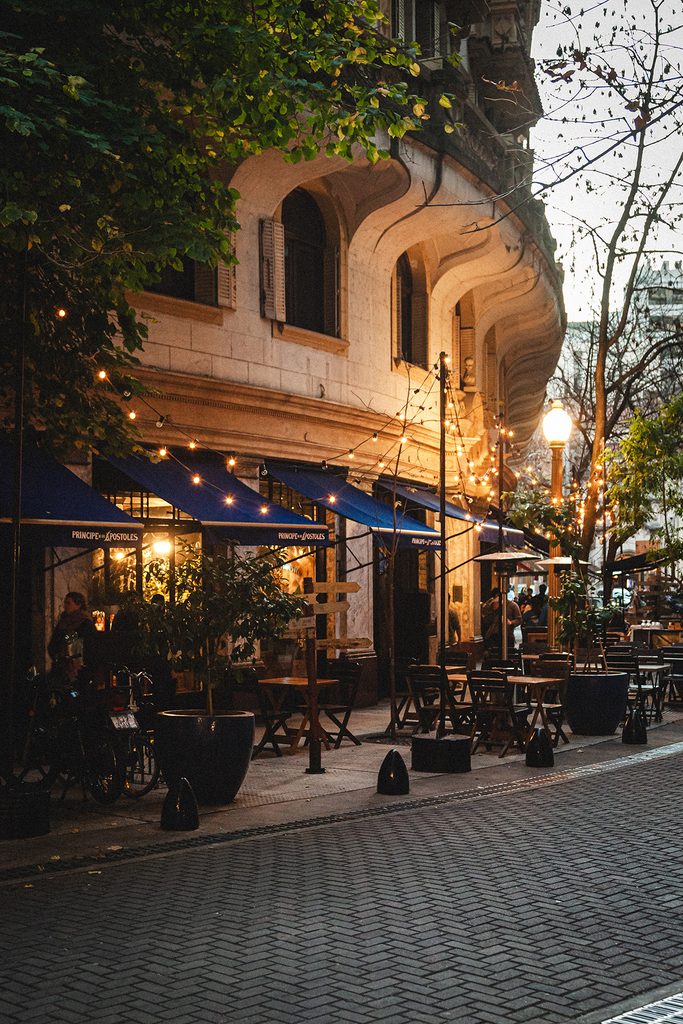
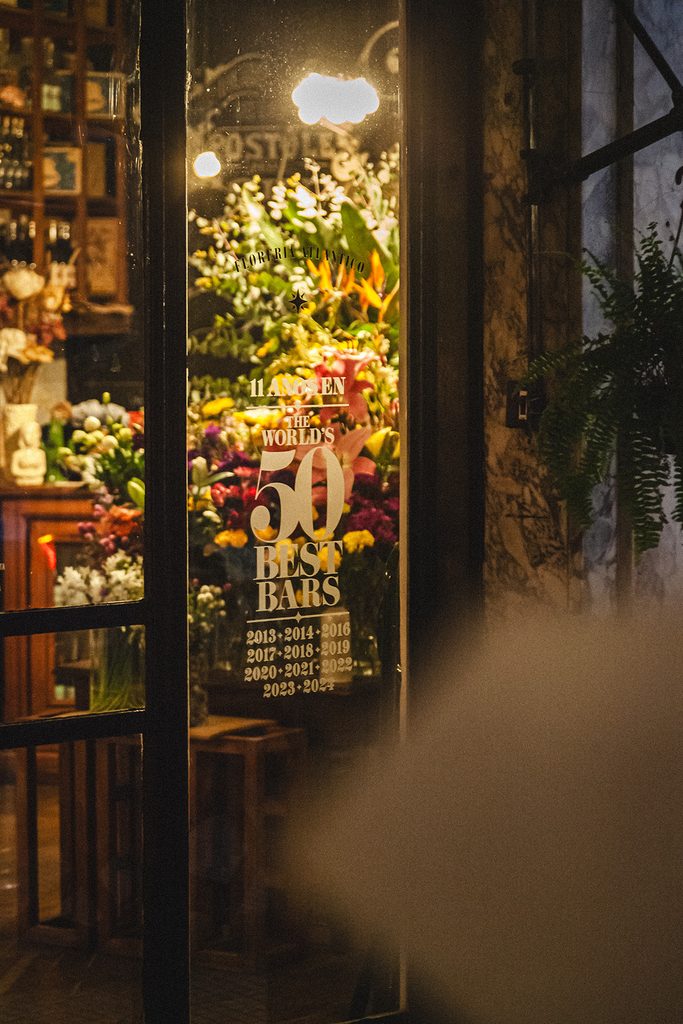
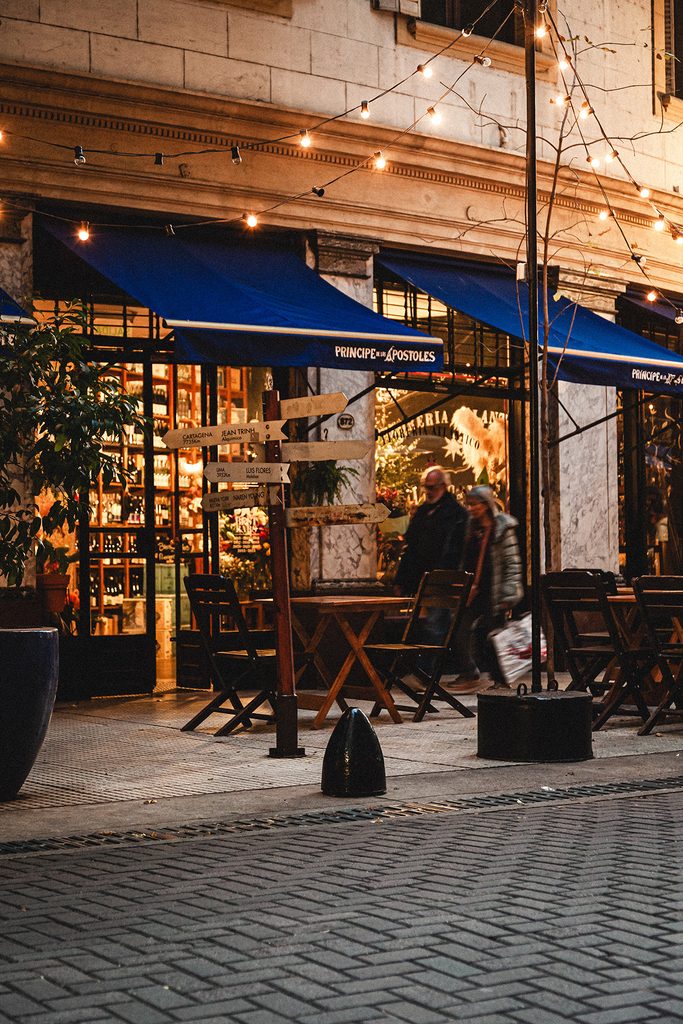
How do you manage the tension between the signature drinks that customers seek and the need to renew the menu? Do you have a rule of proportion between house classics and new creations?
At the bar, we are constantly looking to innovate, because there is always something new to tell.
However, some recipes from our signature menus hold a special place in our customers’ memory. When, after several years, people continue to ask for them, they become Florería classics and return to the menu in a dedicated section.
Other creations are directly linked to the founders’ personal experiences and naturally retain their place on the menu. Some have even become Argentinian classics, known throughout the country.
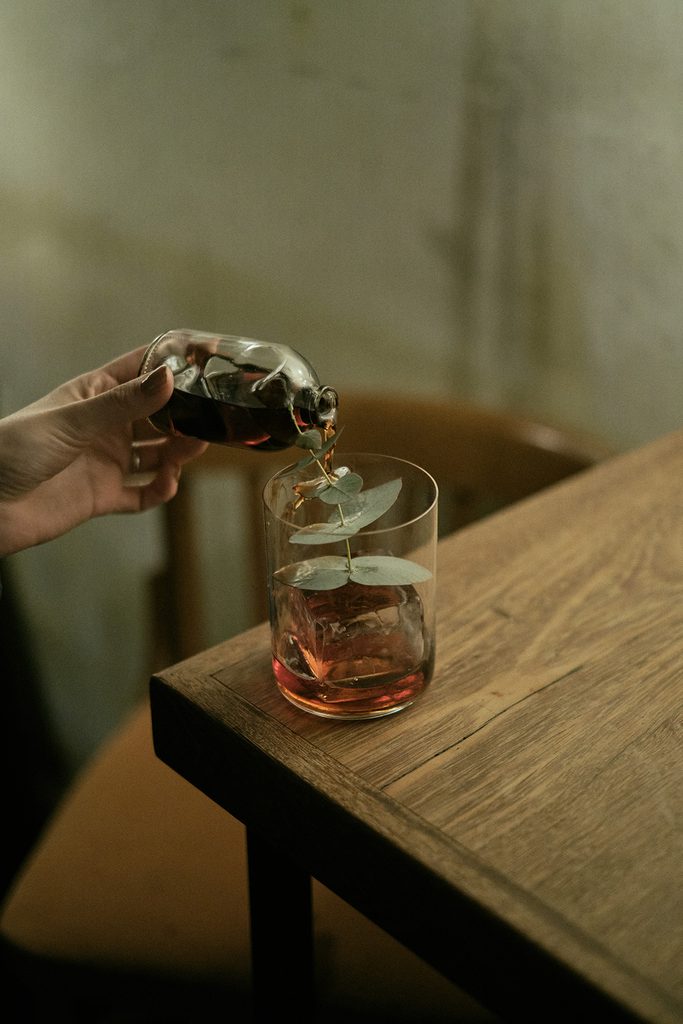
This is notably the case for the Negroni Balestrini, made with Príncipe de los Apóstoles gin, Amaro Averna, Campari, and Atlantic Ocean water, then smoked with eucalyptus. For several years, it has remained one of the bar’s emblematic recipes.
If you had to give three concrete pieces of advice to a bartender or bar manager who wants to structure a creative process in their establishment, without having your resources, what would they be?
The first would be to believe in your own convictions. I think we are stronger when we have self-confidence and move forward with passion. When you do things with sincerity, something positive always comes out of it.
The second would be organization. You need to structure your ideas and write them down, even when they seem absurd or impossible to achieve. Each one deserves time and analysis. There is almost always something to be gained from a thought, even a very simple one.
Finally, one must complete their projects. Whether it’s something big or small, a recipe, a full menu, a container, or a ritual. I call them projects because they are born from imagination before having to take concrete form in the present.
A project is a plan, a temporary effort with a beginning and an end. The beginning is the idea; the end is its result. If our projects constantly remain unfinished, the time spent imagining them is lost, and that time does not come back.
